

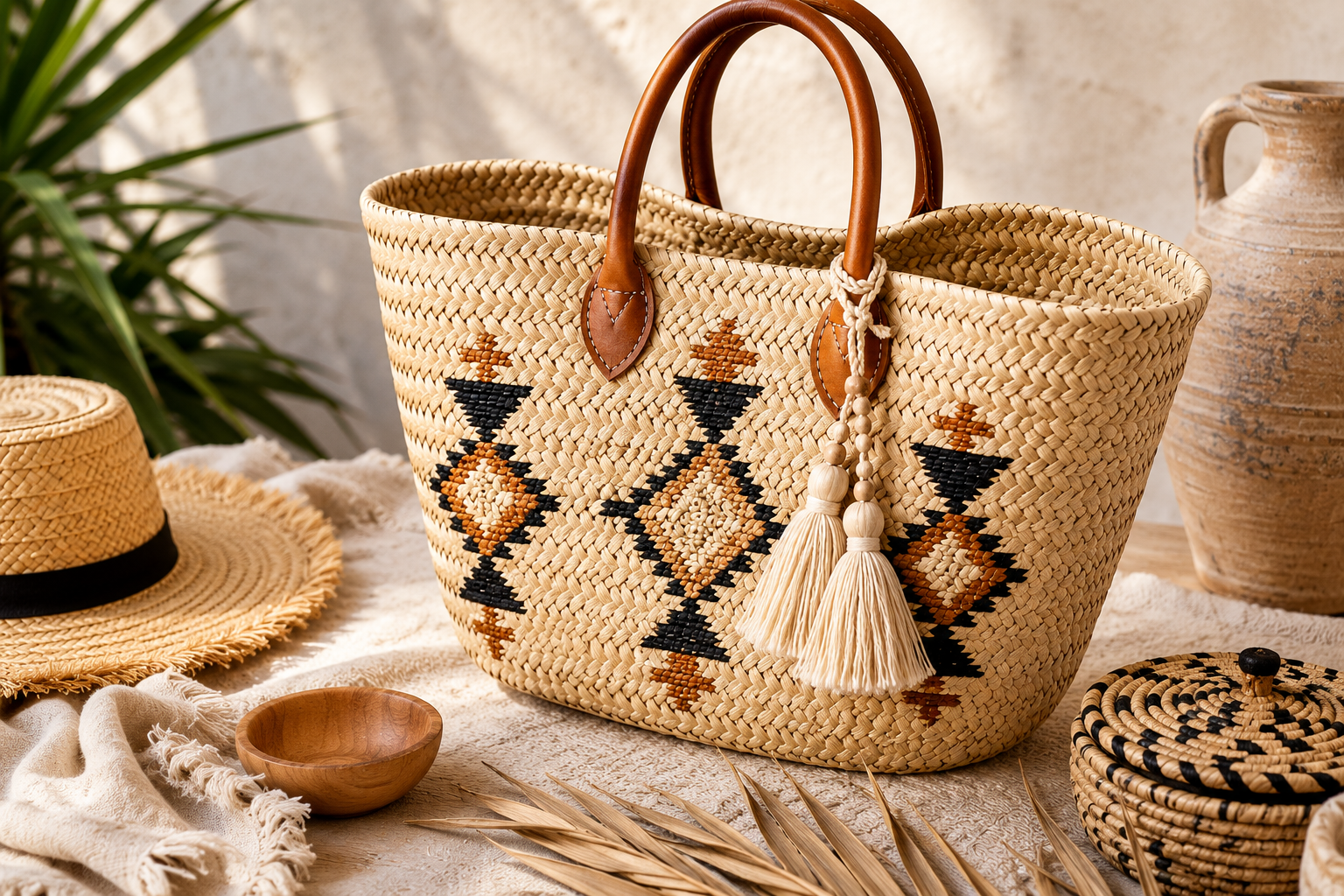
A straw bag is one of the most timeless accessories you can own for spring and summer. Light, elegant, and naturally textured, it brings effortless charm to beach outfits, holiday looks, market days, and everyday warm-weather dressing. But because it is made from woven natural fibers, a straw bag also deserves a little extra care if you want it to stay beautiful season after season.
Unlike synthetic handbags, a handmade straw bag can be more sensitive to moisture, pressure, dust, and improper storage. The good news is that caring for it does not have to be complicated. With the right habits, you can keep your bag looking fresh, clean, and well-shaped for years while protecting the craftsmanship that makes it special.
If you have been wondering how to care for a straw bag, this guide will walk you through the essentials: how to clean it gently, how to store it properly, what to avoid, and how to protect its shape and texture over time.
Why Straw Bags Need Special Care
A straw bag is usually made from natural woven fibers, which is exactly what gives it its beauty. The soft neutral tones, artisanal texture, and handcrafted appearance are part of its appeal, but these same qualities also mean it should be treated with more care than a bag made from synthetic or heavily coated materials.
Natural fibers can react to humidity, water, dust, and friction. If a straw bag is crushed under heavy items, left in damp conditions, or stored without support, it can lose its shape or start to look tired more quickly. Handmade pieces in particular deserve gentle care because the weaving and finishing are part of what make them unique.
Taking care of your bag is not about being overly precious. It is simply about protecting the texture, structure, and woven detail so that your bag stays elegant and usable summer after summer.
How to Clean a Straw Bag Without Damaging It
When people ask how to clean a straw bag, the most important rule is to keep the process gentle. Straw is not a material that should be soaked or scrubbed aggressively. Instead, cleaning should focus on removing dust and light surface marks while preserving the weave.
Start by emptying the bag completely and shaking out any loose dust or debris. Then use a soft dry cloth or a very soft brush to remove surface dust from the outside of the bag. A clean microfiber cloth works well for this, as does a soft clothing brush.
If you notice a small mark or spot, lightly dampen a soft cloth with water and gently dab the area rather than rubbing hard. The cloth should be only slightly damp, never wet. Too much moisture can weaken natural fibers or affect the shape of the bag. Once the mark is lifted, allow the bag to air dry naturally in a cool, shaded place.
Avoid harsh cleaners, soaking, or strong scrubbing. In most cases, simple gentle cleaning is all a straw bag needs.
Remove Dust Regularly to Keep the Weave Fresh
One of the easiest ways to care for a summer straw bag is to remove dust before it settles too deeply into the weave. Because straw bags often have visible woven texture, they can collect dust more easily than smooth leather or fabric handbags.
A quick dusting every now and then can make a big difference. Use a soft dry cloth, a very soft brush, or even a clean cosmetic brush to gently go over the surface, handles, and edges of the bag. This keeps the fibers looking fresh and prevents dirt from building up over time.
If you use your straw bag often during the season, making this a regular habit will help it stay clean with very little effort.
Keep Your Straw Bag Away from Excess Moisture
Moisture is one of the main things to be careful with when caring for a handmade straw bag. Natural fibers and water are not always a good combination, especially if the bag becomes very wet or stays damp for too long.
If your bag is caught in light moisture, gently pat it dry with a clean towel and let it air dry naturally. Do not use a hairdryer, heater, or direct sun to force the drying process, as this can make the fibers brittle or affect the shape of the bag.
It is also best to avoid placing your straw bag on wet surfaces, carrying damp clothing inside it, or storing it in a humid environment. A dry, well-ventilated place is always the safest option.
Protect the Shape of Your Straw Bag
One of the secrets to keeping a straw bag looking beautiful is protecting its shape when you are not using it. Because woven bags can be softer or more flexible than structured handbags, they can lose their silhouette if they are crushed under other items or stored carelessly.
To help your bag keep its shape, gently stuff it with soft tissue paper, clean cotton fabric, or another lightweight material when it is not in use. This gives the bag support from the inside without stretching it. Avoid overfilling it, as you only want enough support to maintain its natural form.
It is also a good idea to store your bag upright whenever possible. Keeping it in a position that respects its original shape will help preserve the structure and prevent unnecessary bending.
-
Straw Bags
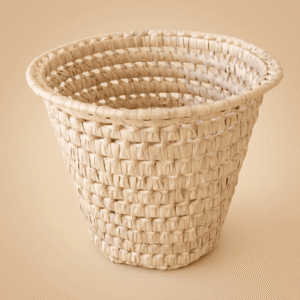
Palm Leaf Planter Basket, Handwoven Natural Basket for Indoor Plants
Original price was: 50,00 $.35,00 $Current price is: 35,00 $. -
Straw Bags
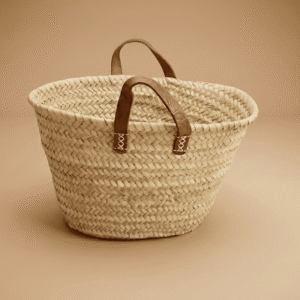
Palm Leaf Basket, Handwoven Natural Storage & Market Basket
Original price was: 45,00 $.29,00 $Current price is: 29,00 $. -
Straw Bags
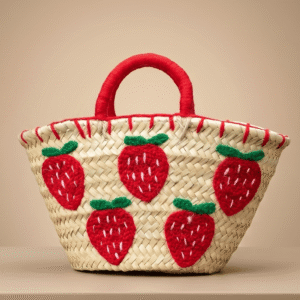
Cute Straw Beach Bag – Handwoven Strawberry Summer Tote
Original price was: 39,00 $.30,00 $Current price is: 30,00 $.
Store Your Straw Bag in a Cool, Dry Place
Proper storage matters just as much as cleaning. If you want your straw bag to stay in great condition from one summer to the next, where and how you store it makes a real difference.
The best place to store a straw bag is somewhere cool, dry, and away from direct sunlight. Long exposure to strong sun while in storage can sometimes fade natural fibers or dry them out unnecessarily. Humid spaces, on the other hand, are not ideal because natural materials do best in a dry environment.
If you have a dust bag or breathable cotton bag, you can place your straw bag inside it for extra protection. Avoid sealing it in plastic, as natural fibers need some air circulation. The goal is to keep the bag protected from dust while still allowing it to breathe.
Avoid Overloading Your Bag
A straw bag may look spacious, especially if it is a tote or basket style, but that does not mean it should be overloaded all the time. Carrying too much weight can place stress on the woven body of the bag and on the handles, especially if the bag is handmade and built for elegance rather than heavy-duty use.
Try to keep only your essentials inside and avoid carrying very heavy items for long periods. If you use your bag for the beach or shopping, be mindful of how much weight it is holding. This simple habit can help protect the handles, preserve the weave, and keep the bag from losing its shape.
Be Careful with Makeup, Oils, and Pens
Like many natural-fiber accessories, straw bags can be more vulnerable to stains than darker or coated handbags. Makeup, sunscreen, oils, and leaking pens can all leave marks that are harder to remove once they settle into the woven surface or lining.
To avoid this, keep beauty products, pens, and liquids in small pouches before placing them inside your bag. This is especially useful if you carry sunscreen, lip products, or hand cream during summer. A simple pouch can protect the inside of your bag and save you from difficult cleaning later.
Rotate Your Bags During the Season
If you own more than one summer bag, it can help to rotate them instead of carrying the same straw bag every day. This gives the bag time to rest, air out, and keep its shape between uses.
Rotating accessories can also reduce daily wear on the handles, lining, and woven body. If you love your handmade straw bag and want it to last for many summers, giving it small breaks can make a difference over time.
What to Avoid When Caring for a Straw Bag
Knowing what not to do is just as important as knowing what to do. To keep your straw bag in the best possible condition, try to avoid the following:
- soaking it in water
- scrubbing stains aggressively
- storing it in plastic for long periods
- leaving it crushed under heavy items
- exposing it to long periods of dampness
- overloading it with heavy objects
- using harsh cleaning chemicals
Straw bags are durable when treated well, but they respond best to gentle care and thoughtful storage.
How to Keep a Handmade Straw Bag Looking Beautiful Year After Year
A beautiful handmade straw bag is more than just a summer accessory. It is often a piece of craftsmanship, texture, and personal style that deserves to be enjoyed for many seasons. The good news is that maintaining it does not require complicated products or difficult routines. Most of the time, simple habits are enough: dust it regularly, clean it gently, keep it dry, protect its shape, and store it with care.
These small steps help preserve what makes a straw bag special the natural fibers, the woven detail, the artisan feel, and the effortless elegance that makes it such a favorite every summer.
Discover Handmade Straw Bags for Summer
A well-made straw bag can stay part of your wardrobe for years when it is cared for properly. Whether you use it for beach days, travel, market shopping, or everyday summer outfits, a little attention goes a long way in keeping it fresh, elegant, and beautifully shaped.
If you love natural textures, timeless summer style, and artisan craftsmanship, explore our collection of handmade straw bags designed for beach, travel, shopping, and everyday wear. From spacious woven totes to refined summer accessories, our collection brings together practicality and effortless style for the season ahead.
Browse our straw bag collection and find a woven summer bag you’ll love for years to come.